
A gathering for awareness
and action
The 2026 CIFLEN is a response to this cry from nature. It aims to be a strategic platform for dialogue, research, experience sharing and mobilisation. Its main objective is to identify and analyse the major challenges and opportunities for sustainable management and equitable use of the Nyong’s resources.
Stakeholders
- Public institutions: ministries, town halls,
- Water agencies,
- Researchers and academics,
- Civil society organisations and NGOs,
- Indigenous peoples and riverside communities,
- Companies and green initiative leaders,
- Committed young people, students, journalists.
A river slowly dying
The Nyong River is 640 kilometres long and flows through the East, Central, Littoral and South regions. It irrigates 28 municipalities, supplies water to hundreds of villages and plays a vital role in providing drinking water to Yaoundé, the capital. But this river, once vast and powerful, is now seeing its bed shrink in some places to less than 10 metres wide. Once used for timber transport and agriculture, it is now threatened with extinction.
Human pollution (domestic, agricultural, industrial), rampant deforestation, climate change, invasive aquatic species such as water hyacinth, and excessive exploitation of natural resources have put this river heritage under severe strain. The gradual collapse of its ecosystem is endangering the lives of millions of inhabitants.
It is in this context that the NGO Volontariat pour l’Environnement (VPE), a pioneer in the defence of the Nyong, has been mobilising the mayors of riverside communities for more than a decade. This grassroots work has led to the creation of the Réseau des Communes du Bassin du Nyong (RECOBAN), which brings together the 28 communities concerned. In 2024, in Mbalmayo, these mayors called for an international conference to be organised to coordinate efforts, pool knowledge and attract the world’s attention.
A vision that transcends borders
CIFLEN 2026 does not intend to stop at the riverbanks. It aims to become an African example of territorial mobilisation, a meeting place between science and tradition, between local know-how and international cooperation.
The recommendations from the conference will guide public policy, fuel research, inspire field projects and lay the foundations for a future ecological and social pact for the Nyong basin.
The objectives
Assess the state of the Nyong basin.
Conduct a comprehensive assessment of pressures, resources, and social and environmental dynamics.
Strengthen local and partnership-based governance.
Bring stakeholders together around a concerted, inclusive, and sustainable management of the river.
Share experiences and innovative solutions.
Highlight best practices, local initiatives, and appropriate technologies.
Develop concrete roadmaps.
Propose strategic recommendations and realistic, applicable action plans.
Mobilise funding for priority projects.
Attract technical and financial support from partners to deliver on commitments.
THE 2026 CIFLEN TEAM
Meet the passionate individuals who embody CIFLEN’s vision and work every day to make the river’s voice heard
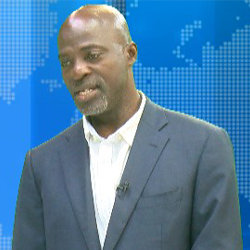
Dieudonné Xavier ATEBA
Chairman of the Organising
Committee
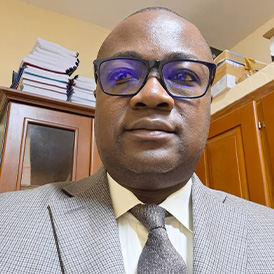
William Pascal BALLA
Head of the Technical
Secretariat
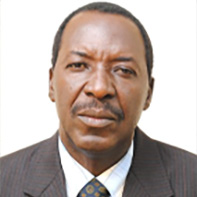
Dr Joseph
ONANA
Chair of the Scientific
Committee
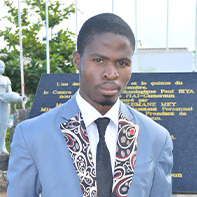
Fabrice TSALA NGUIDJOL
Head of the communications
committee

Elodie Bouma épse MVONDO
Monitoring and evaluation
manager